Linework Horse: A Designer’s Real-World Embroidery Review
First Impressions: Clean, Confident, and Quietly Expressive
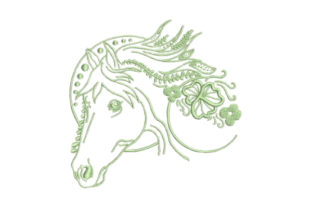
When I opened the Linework Horse embroidery file, what struck me first wasn’t complexity—it was intention. This isn’t a busy silhouette or a heavily shaded portrait. It’s an outline machine embroidery design built around rhythm, balance, and confident line work. The horse is rendered in one continuous, fluid contour—head held high, neck arched, legs poised with quiet energy. There are no fill stitches, no dense satin blocks—just elegant satin stitch tracing that breathes across the fabric. It feels modern but timeless, minimalist yet full of character. That makes it instantly versatile for handmade product lines where subtlety and craftsmanship matter more than flash.
A Real Project Test: Custom Tote Bags for a Local Boutique
Last week, I used Linework Horse on a set of organic cotton tote bags for a small-town boutique specializing in equestrian-themed home goods and gifts. We stitched it centered on the front panel, 4.2 inches tall, using matte black thread on natural canvas. The result? Crisp, legible, and surprisingly warm—not cold or clinical like some line-art designs can feel. Customers commented on how “it looked hand-drawn, but perfectly precise.” That’s the sweet spot: a digital embroidery file that retains human warmth. It didn’t overwhelm the bag’s texture; instead, it complemented it. For Etsy sellers or craft fair vendors, that kind of visual harmony builds trust fast.
Where Linework Horse Shines (and Where It Needs Care)
Linework Horse performs beautifully on stable, medium-weight fabrics—think cotton twill for aprons, brushed poly-cotton for sweatshirts, linen-cotton blends for pillow covers, or terry cloth for kitchen towels. Its satin stitch outline holds up well under light wear and gentle washing, especially when paired with quality stabilizer. On baby onesies or nursery decor, it reads softly—no harsh edges, no visual clutter—making it ideal for personalized gifts that parents actually want to display.
But here’s where attention matters: this design doesn’t forgive stretch or instability. Avoid it on thin jersey tees unless you use cutaway + tear-away combo stabilizer and reduce tension slightly. On curved surfaces like caps or structured hats, test placement first—the neck curve and ear detail can distort if hooped too tightly or stitched too low on the crown. Also, skip dark-on-dark combos unless your thread has strong sheen; matte gray on charcoal, for example, loses definition. Always preview in black-and-white mockups to check contrast before finalizing a printable mockup or client proof.
Design Nuances That Affect Real-World Value
- Stitch density: Lighter than most satin-heavy horse designs—this means less bulk on seams, better drape on apparel, and faster stitching times for commercial embroidery shops.
- Detail fidelity: The eye and muzzle are subtle but readable at 3–4 inches. Below 2.5 inches, test carefully—fine points may merge or fray depending on thread weight and fabric nap.
- Brand alignment: Works seamlessly for equestrian boutiques, farm-to-table kitchens, artisanal pet brands, or even minimalist wedding favors (think linen napkins with a single stitched horse near the hem).
- Gift appeal: Because it avoids cliché (no horseshoes, no manes flying dramatically), it feels personal—not generic. That lifts perceived value for handmade product buyers.
Practical Designer Notes Before You Stitch
If you’re preparing Linework Horse for client work, a craft fair booth, or your next Etsy listing, run through these checks:
- Test on scrap fabric *exactly* like your final project—same weight, same weave, same pre-wash status.
- Compare thread colors side-by-side on light and dark fabric swatches. Satin stitch reflects light differently than fill stitch, so contrast shifts.
- Confirm hoop size compatibility—especially if stitching on sleeves, pockets, or curved items. Some versions of this design may require a 5x7 hoop minimum; always verify before digitizing adjustments.
- Zoom in on corners and curves in your embroidery software. Look for jump stitches near the ear tip or tail end—trimming those manually post-stitch saves time later.
- Ask yourself: does this support my brand voice? If your shop leans rustic, consider pairing it with natural thread tones and unbleached cotton. If it’s modern luxury, go for high-sheen rayon and crisp white linen.
- Review licensing terms. Since this is a digital embroidery file intended for finished product use, confirm whether resale rights extend to physical items *and* digital previews or mockups you share online.
Beyond the Stitch: Why Linework Horse Builds Customer Connection
In my six years reviewing embroidery assets for small creative businesses, I’ve noticed something: customers don’t just buy horses—they buy meaning. A linework horse evokes freedom, grace, quiet strength. When stitched cleanly onto a tea towel gifted to a new horse owner, or centered on a child’s backpack for their first riding lesson, it becomes part of a story. That emotional resonance elevates your handmade product from “nice” to “cherished.” It also supports consistency—if you’re building a cohesive collection (say, a Linework Animal Series), this design sets a clear visual standard: refined, intentional, unhurried.
For apparel decorators, it’s a reliable anchor piece. Pair it with a simple monogram or date below, and you’ve got a best-selling custom sweatshirt. For digital product sellers, it’s a strong candidate for layered SVG + embroidery bundles—its clean lines translate beautifully to print and cut files. And for holiday embroidery? Stitch it in metallic gold on velvet stockings, or in soft ecru on wool-blend blankets—it adapts without losing its voice.
Final Thought: Not Just Another Horse Design
Linework Horse isn’t about realism or realism-adjacent flair. It’s about distillation—what remains when you strip away everything except presence. That makes it unusually flexible across categories: baby embroidery, boutique branding, personalized gifts, commercial embroidery jobs, and even digital design assets for creatives building themed collections. But flexibility demands respect. Use it thoughtfully—with the right stabilizer, tested thread, and honest fabric match—and it won’t just look good. It’ll feel like it belongs.